Watercolor Deer Clipart and Illustrations
As a brand designer who has spent years curating visual identities for small businesses and digital creators, I approach every new graphic design asset with a critical eye. The market is flooded with generic templates, so finding a piece that genuinely elevates a campaign is rare. Recently, I evaluated the Watercolor Deer Clipart for a potential seasonal launch project for an eco-friendly skincare line. My goal was to determine if this specific illustration could serve as the emotional anchor for their rebranding effort without compromising professional standards.
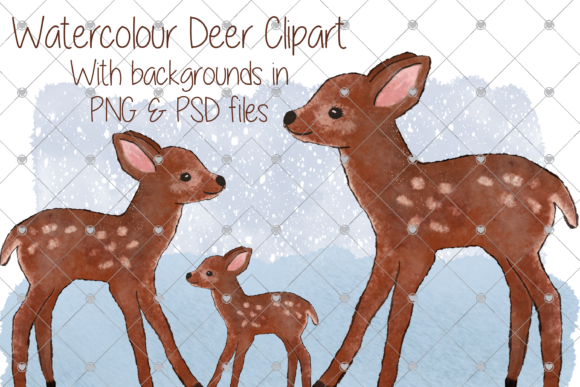
The first impression of the Watercolor Deer Clipart is one of gentle sophistication. Unlike harsh vector lines or overly saturated cartoons, the soft edges and blended hues create a mood of organic tranquility. This immediately signals to the audience that the brand values nature, purity, and mindfulness. For a content marketer, this is crucial; the visual tone sets the expectation before a single word is read. It feels perfectly suited for handmade products, lifestyle content, and editorial graphics where authenticity drives conversion. However, it would feel out of place in a high-tech corporate identity or a dense financial report.
Evaluating Visual Consistency in Real Campaigns
When integrating this asset into a real marketing workflow, such as a product launch for winter wellness items, the focus shifts to visual hierarchy and consistency. I tested the Watercolor Deer Clipart against the client's existing color palette. The translucent quality of the watercolor style allows it to sit beautifully behind text or blend seamlessly with pastel backgrounds, ensuring the main message remains clear. In contrast, placing it on a low-contrast background required careful adjustment to maintain readability.
In the context of social media graphics, particularly for Instagram posts and Pinterest pins, this illustration acts as a powerful hook. The organic shapes break up the rigid grid of typical feeds, drawing the eye and encouraging users to stop scrolling. For a small business branding strategy, using a cohesive set of these illustrations across email banners, blog headers, and Facebook ads creates a recognizable pattern. This repetition builds audience trust and strengthens brand recognition over time. The asset transforms standard promotional materials into something that feels curated and intentional rather than mass-produced.
Strategic Applications for Brand Identity and Packaging
Beyond social media, the versatility of the Watercolor Deer Clipart extends to tangible touchpoints like packaging design and product labels. I envisioned using this PNG design as a subtle watermark on a luxury soap box or as a central motif on a thank-you card included in shipping orders. These small details significantly enhance the unboxing experience, turning a simple transaction into a memorable brand interaction. For digital sellers offering printables, incorporating this clipart into Canva templates can add a premium feel to otherwise standard worksheets or planners.
Furthermore, in web design and digital ads, the illustration serves as an excellent decorative element to guide the user's journey. Placing the deer near a call-to-action button or within a hero section can soften the interface, making the brand appear more approachable. When used in editorial design, such as a lead magnet or an e-book cover, it adds a layer of storytelling that resonates with audiences seeking connection and calm. The key is to treat it as a supporting character that enhances the narrative, not the protagonist that overshadows the copy.
Navigating Limitations and Design Challenges
While the Watercolor Deer Clipart is a strong asset, it requires strategic placement to avoid common pitfalls. It should be used carefully in formal corporate branding or designs where the primary goal is to convey strict authority and precision. The fluid nature of watercolor can sometimes clash with overly minimal brands that rely on stark geometry. Additionally, in dense information layouts or text-heavy ads, the intricate details of the illustration might compete with the main message, reducing overall clarity.
Another consideration is scalability. While the SVG design format ensures crispness at large sizes, the delicate brush strokes may lose impact when shrunk down for small mobile graphics or favicon usage. I always recommend previewing the asset on actual mobile screens to ensure the details do not blur into a muddy spot. If the brand relies heavily on black and white usage for print, the nuance of the watercolor washes might flatten, requiring a grayscale conversion that preserves the texture without losing depth.
Practical Designer Notes for Implementation
To get the most out of this creative design, I suggest a rigorous testing phase. First, test the Watercolor Deer Clipart with your specific brand color palette to ensure harmony. Does the blue-grey of the deer complement your accent colors, or does it clash? Next, compare it against competitor visuals to ensure you are standing out rather than blending in. Check how the illustration pairs with different typography styles; it often works beautifully with script fonts and handwritten fonts to emphasize a personal touch, but it can also ground bold display fonts by providing a soft counterbalance.
Review spacing and balance meticulously. A common mistake is overcrowding the canvas. Let the illustration breathe to maintain its artistic integrity. Finally, confirm the commercial licensing before using it in any paid campaigns, client work, or business branding. Using a design bundle without the proper rights can lead to legal issues and damage your professional reputation. Always verify that the license covers your intended use, whether it is for a single logo design, a series of marketing visuals, or a full suite of merchandise.
Final Verdict on Marketing Potential
The Watercolor Deer Clipart is more than just a pretty picture; it is a strategic tool for modern design and content marketing. When used correctly, it supports stronger first impressions, clearer visual hierarchy, and improved engagement. It bridges the gap between professional branding and the warm, human connection that today's consumers crave. For online coaches, product creators, and creative entrepreneurs looking to refresh their visual identity, this asset offers a cost-effective way to elevate their presence.
Whether you are designing stickers, event flyers, or digital product visuals, the emotional resonance of this illustration can make your campaign more memorable. By understanding where it shines and where it needs restraint, you can leverage the Watercolor Deer Clipart to build a brand that feels both polished and deeply personal. In a crowded marketplace, these subtle yet powerful design choices are often what separate a good campaign from a great one.