Botanical Watercolor Clipart & Illustrations
As a digital product creator who has spent years navigating the competitive landscapes of Etsy, Creative Fabrica, and Shopify, I approach every new graphic design asset with a critical eye. My goal is never just to buy something pretty; it is to find a commercial design that can be transformed into a profitable digital product or physical merchandise. Recently, I evaluated a set titled Botanical Watercolor Clipart to see if it could anchor a new seasonal collection for my shop. The initial impression was one of soft elegance and organic flow, immediately suggesting a niche appeal for buyers looking for feminine, rustic, or nature-inspired aesthetics. Unlike bold vector art, these illustrations carry a handmade feel that resonates deeply with audiences seeking warmth and authenticity in their decor and stationery.
Evaluating Visual Personality and Market Fit
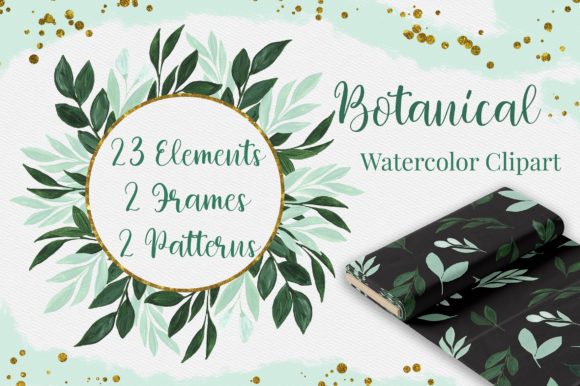
The first step in testing any clipart bundle is determining its visual personality. This specific set of Botanical Watercolor Clipart feels delicate yet versatile. It avoids the overused, generic floral look that saturates many marketplaces. Instead, the watercolor textures provide depth, making each element feel like a genuine illustration rather than a flat shape. For a small business owner or creative entrepreneur, this distinction is crucial. When you are building brand identity, assets that look premium and unique help elevate perceived value. These designs lean towards a modern-rustic vibe, perfect for wedding invitations, nursery prints, or wellness-related branding. They are not overly festive or playful, which means they fit well into evergreen categories rather than just fleeting holiday trends.
Real-World Applications for Digital Sellers
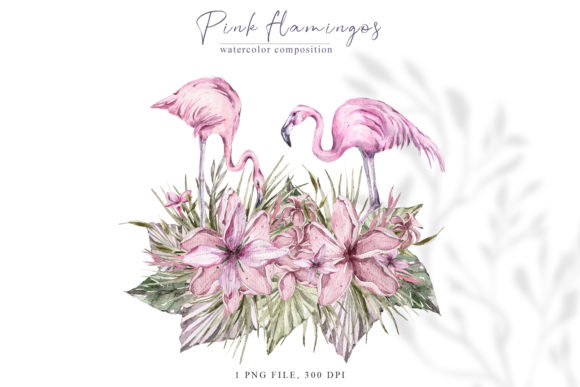
When I started mapping out how to use these assets, the possibilities for creating sellable products were immediate. For print-on-demand sellers, the high-quality PNG design files work exceptionally well on light-colored merchandise. Imagine placing a single large bloom from the Botanical Watercolor Clipart set onto a tote bag or a ceramic mug design. The transparency allows the texture to blend naturally with the background, avoiding the harsh edges often seen in lower-quality graphics. Similarly, for Cricut users and crafters, the SVG design files offer clean paths for cutting vinyl or iron-on transfers, provided the details aren't too intricate for the machine.
Beyond physical goods, these illustrations are gold for digital downloads. I envision using them as key elements in Canva templates for social media graphics or blog headers. A planner sticker design or a printable wall art piece featuring these botanicals would likely perform well in a themed bundle. Even packaging design for a handmade soap business or a candle shop could benefit from these visuals to create a cohesive, natural look. The versatility allows a single asset pack to spawn dozens of unique listings across different creative marketplace platforms.
Enhancing Product Presentation and Listings
A critical aspect of selling online is the visual hierarchy of your listing images. Using Botanical Watercolor Clipart in your product mockup can significantly boost click-through potential. When I tested these assets in thumbnail previews, the soft colors stood out against white backgrounds without being jarring. They add a layer of sophistication that signals quality to the customer before they even read the title. For example, using a subtle watercolor leaf pattern as a border in a greeting card mockup creates a sense of completeness and care. This attention to detail builds customer trust and suggests that the rest of the product inside the listing is equally polished.
Furthermore, consistency is key for growing a brand. By incorporating these specific illustrations across various product bundles—such as a matching set of invitation templates, digital paper packs, and sublimation designs—you create a recognizable style. This helps loyal followers identify your work instantly in crowded search results. The visual storytelling provided by these botanicals can define an entire collection, turning a simple graphic into a central theme for a seasonal launch.
Strategic Limitations and Testing Protocols
While the potential is high, experienced sellers know that no asset is perfect for every scenario. There are areas where Botanical Watercolor Clipart must be used carefully. Because watercolor styles rely on gradients and soft edges, they do not always translate well to tiny sticker details or projects requiring razor-sharp cut lines for Silhouette machines. If you plan to use these for very small decals, the fine details might get lost or bleed during the weeding process. Additionally, placing these light-toned illustrations on dark backgrounds can result in weak contrast, making the design invisible or muddy. Always test the design on real mockups with varying background colors before finalizing a listing.
Another consideration is text integration. These illustrations should not be paired with text-heavy templates where the lettering competes with the complex patterns of the leaves and flowers. The visual hierarchy can become cluttered, reducing readability. For best results, pair the clipart with ample negative space and choose font styles that complement the organic nature of the art, such as a flowing script font or a clean sans serif font. Avoid pairing them with heavy display fonts that overpower the delicate nature of the watercolor strokes.
Practical Seller Notes for Commercial Success
Before publishing any product based on this asset, there are several practical steps to ensure success. First, verify the file resolution and PNG transparency to guarantee crispness at large sizes for things like t-shirt designs or poster prints. Organize your files clearly so that customers buying your derivative products or bundles can easily locate the assets they need. Check the commercial license terms rigorously to confirm you have the right to sell finished products containing these illustrations. Most importantly, preview the final design as a marketplace thumbnail. Does it pop? Is the color balance correct?
If you are creating a design bundle, consider mixing these illustrations with complementary elements like handwritten font samples or digital paper packs to increase the overall value proposition. Test print colors to ensure the watercolor hues match your expectations when transferred to physical materials. By treating Botanical Watercolor Clipart as a strategic tool rather than just a decorative item, you can create a robust line of digital products that appeals to a wide range of buyers, from DIY crafters to professional designers looking for high-quality resources.