Watercolor Cute Sleeping Bunny Clipart Review
As a designer who has spent years translating digital art into tangible thread, I approach every new asset with a critical eye. When I first opened the file for Watercolor Cute Sleeping Bunny Clipart, my immediate reaction was one of warmth. The mood is undeniably soft, capturing that specific quiet charm of a bunny curled up in slumber. However, moving from a screen to a hoop requires more than just liking the aesthetic; it demands an understanding of how watercolor textures translate into stitch density and fabric interaction. This review breaks down whether this illustration holds up under the scrutiny of real-world embroidery projects.
The Visual Translation: From Pixel to Thread
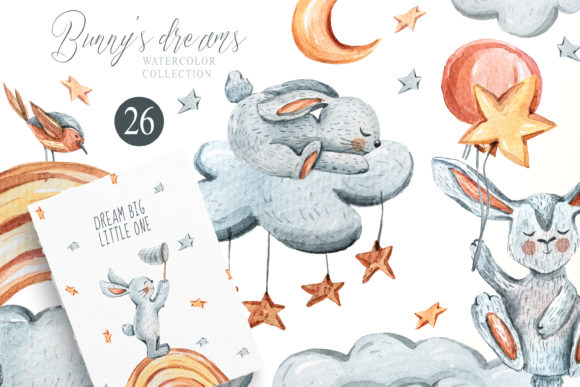
The defining characteristic of Watercolor Cute Sleeping Bunny Clipart is its blend style. In the realm of Illustrations, watercolor effects rely on gradients and bleeding edges. In machine embroidery, achieving this look without creating a muddy mess is a delicate balancing act. The design relies heavily on fill stitches to mimic those soft washes of color. If you are planning to use this as a tote bag design or on a sweatshirt embroidery project, you need to consider how the stitch direction interacts with the "wet" look of the original art.
My first instinct when reviewing this piece is to check the transition zones between colors. A successful machine embroidery design in this style will use subtle underlays and carefully graded thread colors to prevent harsh lines. If the digitization is poor, the watercolor effect can turn into blocky patches of color, losing the dreamy quality that makes the sleeping bunny so appealing. For a handmade product meant to evoke nostalgia or comfort, maintaining that softness is crucial for customer satisfaction.
Real-World Application: Where It Shines
I recently visualized using Watercolor Cute Sleeping Bunny Clipart for a line of nursery items, specifically a pillow cover and a set of kitchen towels. The gentle theme fits perfectly here. On a cotton pillowcase, the texture of the fabric works well with the fill stitches, adding a tactile dimension that enhances the "soft" vibe of the bunny. The design is large enough to be seen clearly but small enough to fit within a standard 5x7 or 6x10 hoop, making it accessible for most home embroiderers.
For the Etsy seller or small shop owner, this design offers high giftability. Imagine a personalized baby blanket where the bunny serves as the focal point. Parents love items that feel curated and thoughtful. The sleeping pose suggests peace and rest, which aligns perfectly with baby products. Furthermore, this clipart could work beautifully as an embroidered patch attached to denim jackets or backpacks. The rounded shapes of the bunny minimize the risk of snagging, and the lack of sharp angles makes it durable for everyday wear.
If you are looking to expand your commercial embroidery offerings, this asset fits well into holiday collections. Think of a Christmas stocking or a Valentine's Day personalized gift. The neutral yet cute nature of the bunny allows it to adapt to various seasonal color palettes by simply swapping the thread colors in your machine setup.
Navigating Fabric Challenges and Limitations
While the design is versatile, there are scenarios where Watercolor Cute Sleeping Bunny Clipart requires extra caution. One major concern is using it on textured fabrics like heavy canvas or thick fleece. The intricate details of the watercolor wash might get lost in the weave of the fabric, resulting in a blurry appearance. Similarly, on stretchy materials like jersey knit for t-shirts, the tension required for dense fill stitches can cause puckering. You must use a high-quality stabilizer and potentially tear-away backing to keep the design flat and crisp.
Another area to watch is dark fabric backgrounds. Watercolor designs often rely on white or light areas to create highlights. Stitching these light threads over black or navy fabric can lead to show-through if the stabilizer isn't opaque enough. To mitigate this, consider using a water-soluble topping or a cutwork technique if the file supports it. Always test the design on scrap fabric first, especially if you plan to sell the finished product.
Furthermore, avoid placing this design on curved surfaces like caps unless you have tested the curvature tolerance. The long, flowing lines of the bunny's ears and body might distort if the hoop cannot maintain proper tension around the curve. For caps, a smaller, simplified version of the design would likely perform better than the full detailed illustration.
Practical Designer Notes for Success
To ensure your project succeeds, follow these practical steps before committing to your final fabric:
- Test on Scrap Fabric: Never skip the test run. Embroider the design on the exact fabric you intend to use to check for puckering, thread breakage, and color blending.
- Check Thread Contrast: Ensure the thread colors chosen provide enough contrast against the background fabric. Low contrast can make the watercolor details invisible.
- Review Stitch Density: Inspect the digitization for overly dense areas. Too much fill stitch can stiffen the fabric, making a baby embroidery item uncomfortable against skin.
- Confirm Hoop Size: Verify that the design fits comfortably within your hoop without being stretched to the limit. Margins are essential for stability.
- Inspect Small Details: Look closely at the eyes and nose of the bunny. These tiny features often require satin stitch or running stitch to remain distinct after stitching.
- Mockup Testing: Create a printable mockup in both black and white and full color to visualize how the design looks before spending hours stitching.
- Licensing Check: Before selling any custom apparel or digital product containing this design, confirm the licensing terms. Ensure you have the right to sell finished goods made with Watercolor Cute Sleeping Bunny Clipart.
Final Verdict on Commercial Viability
In conclusion, Watercolor Cute Sleeping Bunny Clipart is a strong contender for designers looking to add a touch of whimsy to their catalog. Its appeal lies in its emotional resonance; it speaks directly to customers seeking comfort and cuteness. However, its success depends entirely on execution. The translation from a digital watercolor to physical thread requires attention to detail regarding fill stitch settings and fabric choice.
For the craft business owner, this design can serve as a signature element for a boutique brand, provided it is applied correctly. It elevates the perceived value of a simple tote bag or apron into a collectible handmade product. By respecting the limitations of the medium and testing thoroughly, you can leverage this charming illustration to build trust and engagement with your audience. Whether for a personal project or a commercial launch, the sleeping bunny offers a delightful opportunity to showcase your embroidery skills, as long as you approach it with the professional judgment it deserves.