Watercolor Clipart with a Festive Tree Review
As a designer who has spent years translating digital art into tangible thread, I approach every new asset with a mix of excitement and skepticism. When I first opened the file for Watercolor Clipart with a Festive Tree, my immediate reaction was to the mood it projected. It captures that soft, dreamy aesthetic found in high-end holiday stationery, but the real question is always: how does this translate from a screen to a hoop? In the world of machine embroidery, a beautiful image on a monitor can sometimes become a muddy mess once stitched. This review breaks down exactly how this design performs when you move beyond the preview window and into real-world production.
The First Impression: Mood and Visual Personality
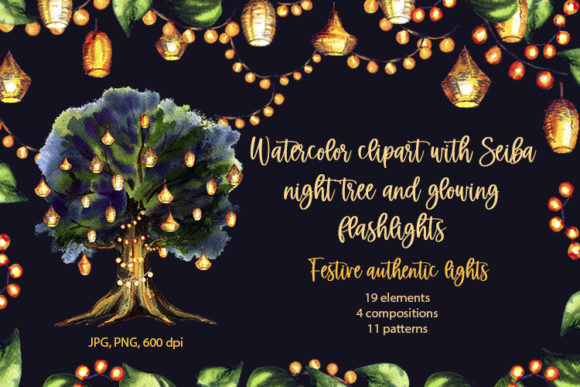
The Watercolor Clipart with a Festive Tree belongs to the broader category of Illustrations, yet it carries a distinct personality that separates it from standard vector clip art. The visual language relies heavily on soft gradients and bleeding edges, mimicking the way paint interacts with paper. For an embroidery project, this is a double-edged sword. On one hand, it offers a sophisticated, boutique look that elevates a simple handmade product instantly. On the other hand, achieving that "watercolor" effect requires careful manipulation of stitch types. You cannot simply rely on a solid fill stitch here; the magic lies in layering lighter threads over darker ones or using specific running stitch techniques to create texture.
When I visualize this as a tote bag design or a seasonal pillow cover, the organic shapes feel incredibly inviting. It avoids the rigid, geometric stiffness often found in commercial holiday graphics. Instead, it feels personal and artisanal. This makes it a strong candidate for personalized gifts where the recipient expects a touch of human creativity rather than mass-produced uniformity. However, the lack of hard outlines means the design relies entirely on color placement and density to define its shape, which demands a higher level of skill during digitization or conversion.
Real-World Application: From Hoop to Finished Product
Let's talk about a specific scenario. Imagine you are preparing a line of custom apparel for a local craft fair. You decide to use Watercolor Clipart with a Festive Tree on a heavy-weight cream sweatshirt. The fabric texture here is crucial. A smooth cotton twill would work well, but the looped pile of a sweatshirt adds a variable element. Because the design features soft edges, stitching it directly onto a fuzzy surface might cause the details to get lost if the stitch density isn't optimized. I would recommend testing this on a scrap piece of the actual garment fabric first. If the thread colors are too close to the background, the watercolor effect will vanish under the nap of the fleece.
For smaller items like a baby embroidery project or a delicate embroidered patch, the design holds up surprisingly well. The festive tree motif is universally recognized, making it perfect for nursery decor or holiday-themed accessories. If you are an Etsy seller looking to expand your catalog, this asset works beautifully on tea towels and aprons. The kitchen environment benefits from the whimsical nature of the illustration, turning a utilitarian item into a statement piece. Just remember that kitchen textiles undergo frequent washing, so the integrity of the stitches must be secure. A loose running stitch used for the watercolor bleeds might fray over time if not anchored properly.
In the realm of commercial embroidery, this design allows for brand consistency across various mediums. Whether you are creating a small shop product line or offering custom services, the versatility of the tree theme ensures it fits multiple niches. You could adapt it for holiday embroidery on caps, though curved surfaces require caution. The organic flow of the branches might distort if the cap panel is too small or if the stabilizer choice is incorrect.
Navigating Challenges: Where Caution Is Needed
While Watercolor Clipart with a Festive Tree is visually stunning, it is not without its pitfalls. One major area of concern is the hoop size. Watercolor effects often require extra space for the "bleed" to look natural. If you try to force this design into a tiny 4x4 inch hoop, the details may compress, resulting in a loss of definition. Always check the recommended dimensions before purchasing the digital embroidery file.
Another critical factor is the fabric type. Avoid using this design on very thin or stretchy fabrics without heavy-duty backing. The varying densities required to mimic watercolor can cause puckering on materials like jersey knit or silk. Similarly, dark fabrics present a challenge. To maintain the lightness of the watercolor style on a black shirt, you would need a white underlay, which adds complexity and cost to the finished product. Without a proper base, the vibrant greens and reds of the tree might appear dull or muddy against a dark background.
Detailed corners and tiny lettering, if included in variations of this design, also require scrutiny. Machine needles struggle with extremely fine points, especially when trying to replicate the soft fade of a brush stroke. If the design includes text, ensure it is large enough to be legible after stitching. Tiny lettering often gets filled in by the needle, making it unreadable to the customer.
Practical Designer Notes for Success
To get the most out of Watercolor Clipart with a Festive Tree, I strongly advise following a rigorous testing protocol. Before committing to a client order or a batch of inventory, run a test on scrap fabric. Check the thread color contrast against your intended material. Sometimes, what looks great in a printable mockup needs adjustment in reality. Review the stitch density closely; areas that are too dense can stiffen the fabric, while areas that are too sparse may reveal the background cloth.
Confirm your stabilizer choice early. For this type of illustrative work, a tear-away or cut-away stabilizer depending on the fabric weight is essential to prevent distortion. Inspect the small details after the first run. Does the tree look like a tree, or just a blob of green thread? Test the design in black and white mockups to see if the tonal values hold up without color cues. Finally, always confirm the licensing terms. As a creative entrepreneur, you must know if you are allowed to sell the finished product or if the license restricts you to personal use only. This protects your craft business from legal issues down the road.
Ultimately, Watercolor Clipart with a Festive Tree is a powerful tool for designers who understand the nuances of thread and fabric. It brings a unique, artistic flair to holiday embroidery projects that stands out in a sea of generic designs. By respecting the limitations of the medium and applying professional judgment, you can turn this digital illustration into a high-value, cherished physical item.