Sakura Flower Watercolor Embroidery Review
As a designer who has spent years translating digital art into tangible thread, I approach every new machine embroidery design with a mix of excitement and skepticism. The market is flooded with generic patterns, so finding a piece that truly captures a mood while remaining practical for production is rare. Today, I am evaluating the Sakura Flower Watercolor, an asset categorized under Illustrations. My goal is not just to tell you what it looks like on a screen, but to help you visualize how this specific design behaves when stitched onto real fabric for your craft business, Etsy seller listings, or personal projects.
First Impressions: Capturing the Ethereal Mood
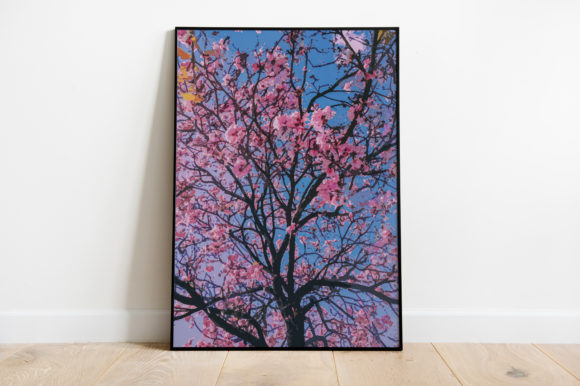
When I first opened the preview for Sakura Flower Watercolor, the immediate feeling was one of softness and springtime renewal. Unlike rigid, geometric floral patterns often found in standard libraries, this design leans heavily into the organic flow of watercolor painting. The edges appear diffused, and the color gradients suggest a delicate transition from pale pink to white. For a handmade product line focused on nursery decor or boutique apparel, this aesthetic is gold. It screams "artisanal" without needing extra embellishment.
However, as a reviewer, my eyes immediately go to the technical execution. How does a painterly style translate into fill stitch and satin stitch? The challenge with watercolor styles is maintaining that soft look without creating muddy, dense areas of thread. If the stitch density is too high, the soft petals will turn into heavy blocks of color, losing the intended lightness. If it is too low, the fabric might show through in unappealing ways. This design requires a keen eye during the digitizing process to ensure the final result matches the digital promise.
A Real-World Scenario: The Custom Tote Bag Project
To test the viability of Sakura Flower Watercolor, let's imagine a real-life scenario. You are preparing a limited run of custom embroidered tote bags for a local craft fair. These bags are made of natural canvas, a textured fabric that can sometimes fight against intricate details. You want to place the design on the lower corner of the bag, perhaps paired with a small text element saying "Spring Collection."
In this context, the Sakura Flower Watercolor shines. The organic shape fits perfectly into the irregular corners of a tote bag, avoiding the stiffness of square motifs. When stitched onto the natural canvas, the texture of the fabric actually enhances the watercolor effect, making the thread blend slightly more naturally than it would on smooth satin. Customers browsing your booth would likely be drawn to the softness of the design, perceiving it as a high-quality personalized gift option.
Now, consider the same design on a sweatshirt embroidery project. Here, the challenge shifts. Sweatshirts have a fuzzy pile that can obscure fine details. If the Sakura Flower Watercolor contains very thin stems or tiny leaf veins, they might get lost in the fleece texture. In this case, you would need to assess if the design relies on those micro-details for its identity. If the overall silhouette is strong enough, it works beautifully on hoodies, adding a feminine touch to casual wear. However, if the design depends on crisp, fine lines, you might need to adjust the settings or choose a different placement area where the fabric is less textured.
Navigating Fabric Challenges and Limitations
While Sakura Flower Watercolor is versatile, it is not a universal solution for every surface. As a professional, I must advise caution when using this design on certain materials. First, avoid placing it on highly stretchy fabrics like jersey knit without proper support. The tension required to hold the design flat can distort the watercolor shapes, ruining the delicate balance of the petals.
Secondly, be mindful of dark fabrics. Watercolor designs typically rely on light colors and negative space to create their effect. Stitching this directly onto black denim or navy cotton might require significant re-digitizing to add underlays and change thread colors. Without these adjustments, the design could look washed out or invisible. Always test your embroidery file on a scrap piece of the actual fabric you intend to use. Check the thread colors against the background to ensure there is enough contrast for the customer to appreciate the detail.
Another critical consideration is the hoop size. If you are working with small items like caps or baby onesies, you need to verify that the design scales down without losing integrity. Complex watercolor gradients can become pixelated or tangled when shrunk too much. If the design includes running stitch outlines for definition, ensure they remain visible at smaller sizes. For embroidered patch creation, this design could work well if backed with sturdy felt, but the soft edges might require a laser-cut finish rather than a traditional merrowed border to maintain the artistic vibe.
Strategic Use for Small Business Owners
For the Etsy seller or small shop owner, the visual appeal of Sakura Flower Watercolor can significantly boost perceived value. A finished product featuring this design feels more curated and thoughtful than one with a clip-art style flower. This perception of quality allows you to price your items higher, attracting customers looking for unique, boutique-style goods.
However, consistency is key. If you build a brand around this soft, floral aesthetic, ensure all your other design assets align. Mixing this delicate watercolor motif with bold, industrial graphics might confuse your brand identity. Use this design to create cohesive collections, such as a matching set of tea towels, pillow covers, and aprons. The uniformity builds trust with your buyers, showing them that you have a clear vision for your products.
Also, remember the importance of mockups. Before you commit to stitching hundreds of units, create printable mockup images to see how the design looks in context. Does it look good on a kitchen towel hanging next to a sink? Does it pop on a holiday gift box? Visualizing the end product helps you make informed decisions about marketing and presentation.
Practical Designer Notes for Success
Before you finalize any project with Sakura Flower Watercolor, follow these essential steps to ensure a professional outcome:
- Test on Scrap Fabric: Never skip the test run. Stitch the design on a scrap of the exact fabric and stabilizer you plan to use. This reveals issues with puckering or thread breakage.
- Check Stabilizer Needs: Delicate designs often require tear-away or cut-away stabilizer to prevent distortion. Do not underestimate the support needed for watercolor effects.
- Review Licensing: Ensure you understand the terms of the digital embroidery file. Can you sell the finished commercial embroidery items? Are there limits on the number of products you can produce? Clarify this before listing your items.
- Inspect Small Details: Zoom in on the digitized file. Look for potential jump stitches or unnecessary trims that could weaken the design structure.
- Compare Backgrounds: Test the design on both light and dark backgrounds to see how the colors perform. You may need to swap thread shades for darker garments.
In conclusion, Sakura Flower Watercolor is a beautiful addition to a designer's library, offering a soft, artistic touch that elevates custom apparel and home goods. While it requires careful attention to fabric choice and stitch density, the payoff in customer engagement and product aesthetics is well worth the effort. By treating it as a serious tool rather than just a decoration, you can create finished products that stand out in a crowded market. Whether you are making a single personalized gift or launching a full craft business collection, this design offers the versatility and charm needed to succeed.