Hand Drawn Watercolor Coffee and Dessert Review
The First Impression: Softness Meets Stitching
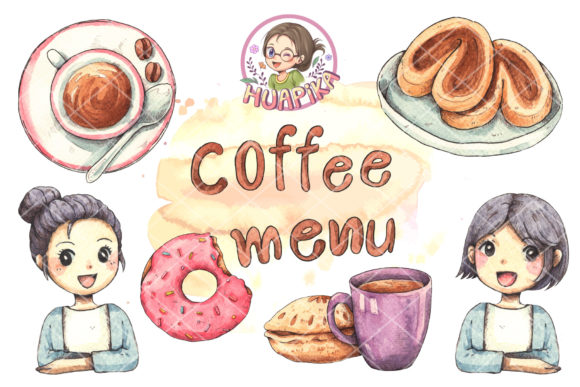
When I first opened the digital file for Hand Drawn Watercolor Coffee and Dessert, my immediate reaction was one of nostalgia. As an illustrator who has spent years translating sketches into thread, I know that watercolor styles are notoriously difficult to execute in machine embroidery. The soft gradients and organic edges of a painting often clash with the rigid geometry of a fill stitch. However, this specific design within the Illustrations category manages to capture that dreamy, hand-painted aesthetic without losing structural integrity. It feels less like a generic clip-art asset and more like a genuine piece of art ready for translation.
The visual personality here is warm and inviting. It evokes the cozy atmosphere of a Sunday morning bakery or a quiet corner in a local cafe. For anyone running a craft business or managing an Etsy seller account focused on home goods, this mood is invaluable. It signals comfort and quality before the customer even touches the fabric. But does it hold up when you move from the screen to the sewing machine? That is the real test for any professional designer.
A Real-World Test: The Custom Tote Bag Scenario
To truly evaluate Hand Drawn Watercolor Coffee and Dessert, I imagined a specific project: a high-end, natural canvas tote bag for a boutique coffee shop client. This isn't just about slapping a logo on a bag; it's about creating a product that customers want to carry around town as a statement piece. In this scenario, the design serves as the centerpiece. The flowing lines of the coffee cup and the delicate details of the dessert need to pop against the textured weave of the canvas.
I visualized the stitching process. Because the design mimics watercolor, it likely relies heavily on varied stitch density to create shading rather than relying solely on color changes. If the density is too high, the canvas will pucker, ruining the drape of the bag. If it's too low, the "painterly" effect disappears, leaving gaps that look like errors. My instinct is that this design requires a careful balance. Using a lightweight stabilizer is non-negotiable here to prevent distortion while allowing the thread to sit flat. The result would be a finished product that feels artisanal, elevating a simple tote into a premium gift item.
Where This Design Shines: Apparel and Home Goods
Beyond tote bags, Hand Drawn Watercolor Coffee and Dessert is incredibly versatile for custom apparel. Imagine this embroidered on the chest of a heavy cotton sweatshirt. The contrast between the rugged texture of the fleece and the soft, artistic nature of the design creates a compelling visual tension that modern consumers love. It works exceptionally well for sweatshirt embroidery where a large hoop size allows the full detail to breathe.
It is also a strong contender for kitchen textiles. A tea towel or apron featuring this motif fits perfectly into the "cozy home" aesthetic that dominates current decor trends. For small shop owners looking to expand their inventory with handmade products, this design offers a cohesive theme. You could pair it with other designs from the same collection to create matching sets, such as pillow covers and napkins. The versatility extends to holiday embroidery as well; these motifs work beautifully for Christmas stockings or Easter baskets, adding a touch of whimsy to seasonal gifts.
Personalized Gifts and Nursery Decor
While the coffee theme might seem adult-oriented, the soft style makes it adaptable for older children or teenagers who enjoy baking. However, if the dessert element features cupcakes or pastries, it could easily transition into a nursery setting for a "future baker" theme. Baby embroidery projects often require softer, less aggressive designs, and the watercolor style naturally avoids the harsh lines that can sometimes look too industrial on infant clothing. Just ensure the thread colors are safe and the stitching is secure enough to withstand frequent washing.
Navigating Challenges: Fabric and Technique Considerations
As practical as this design is, there are pitfalls to avoid. The organic nature of Hand Drawn Watercolor Coffee and Dessert means it is not ideal for every surface. On dark fabrics, the lighter watercolor tones may get lost unless you use a dense underlay or switch to brighter thread colors. Without proper contrast, the design loses its definition. Similarly, on stretchy fabrics like jersey knit, the intricate details might distort during wear. Always test on a scrap piece of the actual material first.
Hoop size is another critical factor. This design likely contains fine details that require a larger hoop to maintain stability. Attempting to stitch it in a small 4x4 inch hoop could lead to registration issues where the stitches don't align perfectly, blurring the watercolor effect. If you are making an embroidered patch, consider how the backing will interact with the design. A cut-away stabilizer might provide better longevity for items that will be washed often, like aprons or towels.
Be cautious with curved surfaces like caps. The top of a hat introduces tension that can warp the delicate lines of a watercolor illustration. Unless the design has been specifically digitized for cap application, it is safer to stick to flat surfaces like t-shirts, tote bags, or pillow covers. Also, review the running stitch outlines carefully. In a watercolor style, hard outlines can sometimes kill the illusion of paint. If the design uses them, consider reducing their weight or changing the thread type to a sheer finish if your machine allows.
Commercial Viability and Brand Consistency
For the digital product sellers and creative entrepreneurs reading this, the commercial potential is significant. This design fits the "slow living" and "artisan" niches that are currently thriving online. When used correctly, it enhances brand consistency for boutiques that focus on handmade, high-quality goods. Customers associate this aesthetic with care and attention to detail, which increases customer trust and perceived value.
However, remember that using a machine embroidery design commercially requires strict adherence to licensing terms. Before selling a finished tote bag design or listing a personalized gift on your site, confirm that your license allows for commercial production. Some licenses restrict the number of items you can sell or prohibit reselling the digital embroidery file itself. Protect your business by understanding these rules upfront.
Final Designer Notes for Success
If you decide to incorporate Hand Drawn Watercolor Coffee and Dessert into your workflow, follow these practical steps to ensure success:
- Test on Scrap Fabric: Never skip this step. Check how the thread interacts with your specific fabric texture and whether the density causes puckering.
- Check Color Contrast: Visualize the design in black and white mockups first. Ensure the details remain visible against your chosen background.
- Select the Right Stabilizer: For textured fabrics like canvas or linen, a tear-away or cut-away stabilizer is essential to support the fill stitch areas.
- Inspect Small Details: Zoom in on the file to check for tiny elements that might get lost in the stitching process. Adjustments may be needed for very fine lines.
- Verify Licensing: Ensure you have the right to use this design assets for your specific business model, whether it's commercial embroidery or personal gifting.
In conclusion, Hand Drawn Watercolor Coffee and Dessert is a standout piece in the Illustrations category. It bridges the gap between digital art and tangible craft, offering a unique opportunity to create products that feel personal and premium. With the right technique and fabric choice, it can become a staple in your portfolio, driving engagement and sales for your craft business.