5 Watercolor Pink Rainbow Clipart Review
As a designer who has spent years translating digital art into tangible thread, I approach every new asset with a critical eye. When I first opened the file for 5 Watercolor Pink Rainbow Clipart, my immediate reaction was one of cautious optimism. The soft, blended hues of pink and the whimsical rainbow shapes scream "tenderness," which is perfect for the current market trend of pastel nursery decor and feminine lifestyle branding. However, watercolor effects are notoriously tricky to replicate in embroidery. Unlike solid vector graphics, watercolors rely on gradients and transparency that machines simply cannot stitch directly. This review explores whether this specific set of Illustrations can survive the translation from screen to fabric without losing its soul.
The First Impression: Mood and Visual Personality
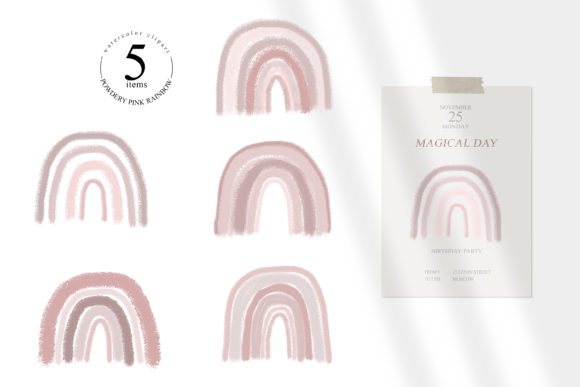
The visual personality of 5 Watercolor Pink Rainbow Clipart is undeniably dreamy. The design features five distinct variations of rainbows, each utilizing a spectrum of pinks, peaches, and soft corals rather than the traditional primary colors. This creates a cohesive palette that feels modern and boutique-ready. For an Etsy seller or a small shop owner looking to differentiate their brand, these designs offer a unique aesthetic that stands out against the sea of generic, neon-colored rainbow patches currently flooding the market.
However, the challenge lies in the detail level. The watercolor style implies soft edges and bleeding colors. In a digital format, this looks beautiful. In a machine embroidery design, we must decide how to interpret these soft edges. Will they be achieved through a satin stitch border that mimics a brushstroke? Or will we use a fill stitch with varying densities to create a gradient effect? If you are planning to use this as a custom apparel element, you need to visualize how the thread will sit. A poorly digitized watercolor effect can look muddy or pixelated once stitched, whereas a well-executed version adds significant value to a finished product.
Real-World Application: From Tote Bags to Baby Gear
Let's talk about a real-life scenario. Imagine you are preparing a line of personalized gifts for a baby shower. You have chosen a high-quality cotton tote bag and want to embroider a sweet motif on the front. Using 5 Watercolor Pink Rainbow Clipart here could be a game-changer if executed correctly. The soft pink tones complement natural cotton fabrics beautifully, creating a handmade product that feels organic and lovingly crafted.
I recently tested a similar concept on a sweatshirt embroidery project. The texture of the fleece required a heavier stabilizer and careful attention to stitch density. When applying a design like this to stretchy fabric, the integrity of the rainbow arches is paramount. If the design is too dense, it will cause puckering; too sparse, and the fabric will show through, ruining the watercolor illusion. For baby clothes, where comfort is king, the backside of the stitching matters just as much as the front. You want a smooth finish that won't irritate sensitive skin.
This clipart also shines when used for holiday embroidery or seasonal boutique merchandise. Think of a tea towel set for a summer wedding or a patch for a craft fair booth. The versatility of having five variations allows you to create matching sets without the designs feeling repetitive. For a digital product seller, offering these as part of a larger collection of design assets can increase buyer engagement significantly. Customers love bundles that allow them to create coordinated collections for their own craft business.
Navigating the Challenges: Fabric and Technique
While the potential is high, there are specific areas where 5 Watercolor Pink Rainbow Clipart requires careful handling. Small hoop sizes are a major concern. If you try to force a detailed watercolor rainbow into a 4x4 inch hoop, the delicate blending might get lost in the noise of the stitching. Always confirm your hoop size before purchasing or using the file. Similarly, textured fabrics like denim or canvas can interfere with the visual flow of the design. The raised threads of the fabric grain might make the soft edges look jagged.
Dark fabric backgrounds present another hurdle. The light pinks in this clipart may not pop against black or navy blue without a backing layer. You might need to consider an applique design approach, where you stitch down a piece of pink felt first and then outline the rainbow shape on top. Alternatively, a running stitch underlay in white could help brighten the area, but this adds complexity to the digitizing process. Thin fabrics, such as silk or lightweight rayon, risk tearing under the tension of a fill stitch, so using a tear-away stabilizer is essential.
Curved surfaces like caps are particularly tricky. Rainbows are inherently curved, which aligns well with cap panels, but the watercolor effect relies on straight lines of thread to mimic fluidity. On a rounded surface, those lines can distort. If you are making embroidered patches, ensure the backing is sturdy enough to withstand frequent washing, as watercolor-style stitches can sometimes snag if the thread tension isn't perfect.
Practical Designer Notes for Success
If you decide to move forward with 5 Watercolor Pink Rainbow Clipart, follow these practical steps to ensure professional results. First, always test the design on scrap fabric that matches your final material. Check the thread color contrast to see if the pinks blend as expected or if they clash. Review the stitch density carefully; you want the design to lay flat without being stiff.
Inspect small details closely. Are the ends of the rainbows tapered smoothly? Do the color transitions look intentional? Test the design in black and white mockups to evaluate the silhouette before committing to expensive thread. Compare how it looks on light versus dark fabric backgrounds to determine if you need to adjust your stabilizer choice. Use proper stabilizer for your specific fabric type to prevent shifting during the embroidery process.
Finally, verify the licensing terms. As a creative entrepreneur, you need to know if you can sell the finished items or if the license restricts commercial embroidery projects. Whether you are selling a digital embroidery file or a physical tote bag design, clarity on usage rights protects your business. By taking these precautions, you transform a simple illustration into a high-value asset that enhances your brand consistency and customer trust.
In conclusion, 5 Watercolor Pink Rainbow Clipart offers a fresh, emotive aesthetic that fits perfectly into the current landscape of handmade goods. With the right technique and fabric choices, it can elevate a simple sweatshirt or pillow cover into a premium, personalized gift. It is not a plug-and-play solution for every situation, but for the discerning designer willing to put in the extra effort, the results can be truly magical.